Standard
1,368 Pages51 Issues
Release June 29, 2027
1097 Collected Editions
Standard
Release June 29, 2027
Standard
Release June 29, 2027
Standard1/2
Release June 22, 2027
Standard
Release June 22, 2027
Standard
Release June 15, 2027
Standard
Release June 15, 2027
Standard
Release June 15, 2027
Standard
Release June 15, 2027

Standard
Release June 8, 2027

Standard
Release June 8, 2027
Standard
Release June 8, 2027
Standard
Release June 1, 2027
Standard
Release June 1, 2027
Standard
Release June 1, 2027
Standard
Release June 1, 2027
Standard
Release May 25, 2027
Standard
Release May 25, 2027
Standard1/2
Release May 25, 2027
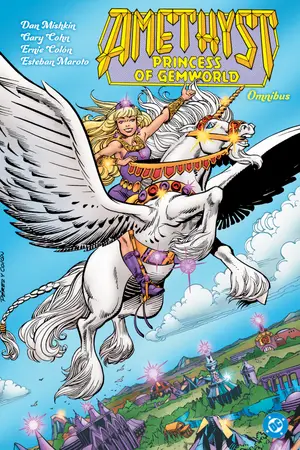
Standard
Release May 18, 2027
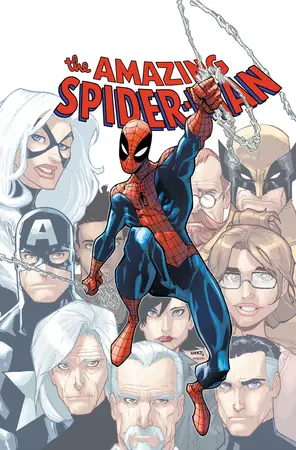
Standard
Release May 18, 2027
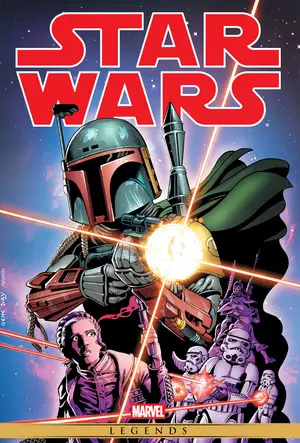
Standard1/2
Release May 11, 2027
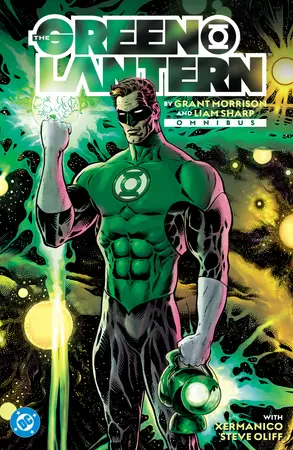
Standard
Release May 11, 2027
Standard1/2
Release May 4, 2027
Standard
Release May 4, 2027
Standard
Release May 4, 2027
Standard
Release May 4, 2027

Standard
Release April 27, 2027

Standard1/2
Release April 27, 2027
Standard
Release April 27, 2027
Standard1/2
Release April 20, 2027
The lightweight, matte, old-comics-style paper DC has been printing its classic-era omnibus reprints on since 2026. DC's own solicitations call it “period appropriate paper”; collectors call it Norbrite.
A high-bulk, uncoated groundwood book paper — the same family of stock trade paperbacks and novels are printed on — instead of the coated gloss or matte sheet most collected editions use. The Norbrite name comes from a NORPAC paper line made from thermomechanical (groundwood) pulp: roughly 80 brightness, about 52–67 gsm, and 400–570 pages per inch. Standard coated omnibus paper runs closer to 90–100 gsm at 510–600 pages per inch.
Fans praise the comfortable reading weight and the period feel on vintage art. Detractors find the colours muted and the stock less premium than gloss — and it costs shelf space. Neither camp is wrong; it is a taste call, which is why you can filter by it.
Paper is chosen per printing. A 2026 reprint may be on period paper while the first printing of the same book is on coated stock. Each printing carries its own badge, and a catalog card names which printing(s) qualify when only some do. No badge means we have not recorded period-appropriate paper for that printing.